Unleashing The Power Of Seismic Wire In Earthquake Detection
seismic wire, also known as geophones, is a crucial tool in the field of seismology, enabling scientists and engineers to detect and measure seismic activity in the Earth’s crust. These specialized wires are designed to convert ground movement caused by earthquakes into electrical signals that can be analyzed to understand the location, magnitude, and dynamics of earthquakes. In this article, we will explore the importance of seismic wire in earthquake detection and how it plays a vital role in improving the safety and resilience of communities worldwide.
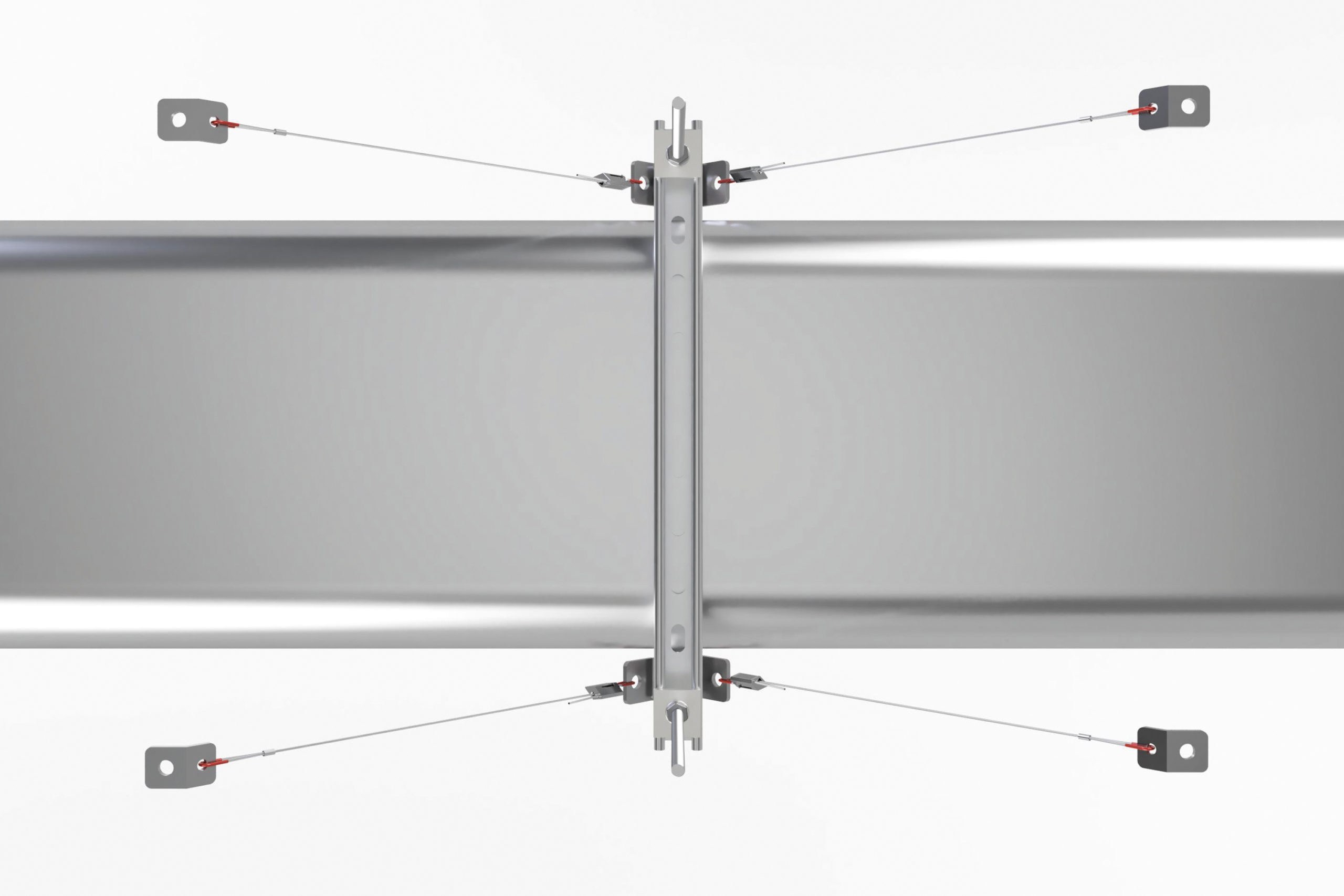
seismic wire works by utilizing sensors called geophones that are connected to a data acquisition system through the wire. These geophones are typically buried in the ground at specific locations to monitor seismic activity. When an earthquake occurs, the ground vibrates, causing the geophones to detect these movements and convert them into electrical signals. The data from these signals are then collected and analyzed to provide crucial information about the earthquake, such as its magnitude, depth, and location.
One of the key advantages of seismic wire is its ability to provide real-time data on seismic activity, allowing scientists to quickly assess the potential risks associated with an earthquake. This information is essential for early warning systems, which can alert communities of an impending earthquake, giving them valuable time to evacuate and take necessary precautions to minimize damage and save lives. In regions prone to earthquakes, early warning systems supported by seismic wire can be a vital tool in disaster preparedness and response.
Furthermore, seismic wire plays a crucial role in monitoring the ongoing activity of fault lines and tectonic plate movements. By continuously collecting data on seismic activity, scientists can better understand the behavior of these geological features and make more accurate predictions about future earthquakes. This knowledge is essential for urban planning, infrastructure development, and emergency response strategies, helping communities to build resilience and reduce the impact of earthquakes on society.
In recent years, advances in technology have revolutionized the field of seismology, leading to the development of innovative seismic wire systems. These systems now feature higher sensitivity, improved data accuracy, and greater reliability, enabling scientists to conduct detailed studies on seismic events with unprecedented precision. By leveraging these cutting-edge technologies, researchers can gain deeper insights into the Earth’s dynamics and enhance our understanding of earthquake processes.
seismic wire is not only used for earthquake detection but also for a wide range of applications, including oil and gas exploration, geotechnical engineering, and environmental monitoring. In the oil and gas industry, seismic wire is employed to map subterranean geological formations and locate potential reserves of oil and natural gas. Geotechnical engineers use seismic wire to assess the stability of soil and rock formations, ensuring the safety of infrastructure projects such as buildings, bridges, and dams. Environmental scientists utilize seismic wire to study the impact of human activities on the Earth’s crust, monitor volcanic activity, and detect underground water sources.
As the global population continues to grow, the importance of earthquake detection and monitoring becomes increasingly critical. By investing in advanced seismic wire technology and integrating it into comprehensive seismic networks, we can enhance our ability to predict and respond to earthquakes, ultimately saving lives and reducing the economic losses associated with seismic events. Governments, research institutions, and private companies are working together to expand the coverage of seismic wire networks, improve data sharing and analysis capabilities, and develop innovative solutions for earthquake risk mitigation.
In conclusion, seismic wire is a powerful tool in earthquake detection that plays a vital role in safeguarding communities against the destructive forces of nature. By harnessing the capabilities of seismic wire technology, scientists and engineers can gain valuable insights into the Earth’s seismic activity, enhance our understanding of earthquake processes, and improve disaster preparedness and response strategies. As we continue to advance our knowledge and technology in seismology, seismic wire will remain at the forefront of earthquake research, helping to build a safer and more resilient world for future generations.